MealMind
MealMind is a recipe collection platform that allows users to share, search, and explore recipes. All recipes are accessible to the community, making it easy for users to discover new dishes and cooking ideas.
Role: Fullstack Developer
Duration: 2 months
Tech-Stack: Python, Django, Pandas, Matplotlib, Heroku
The Overview
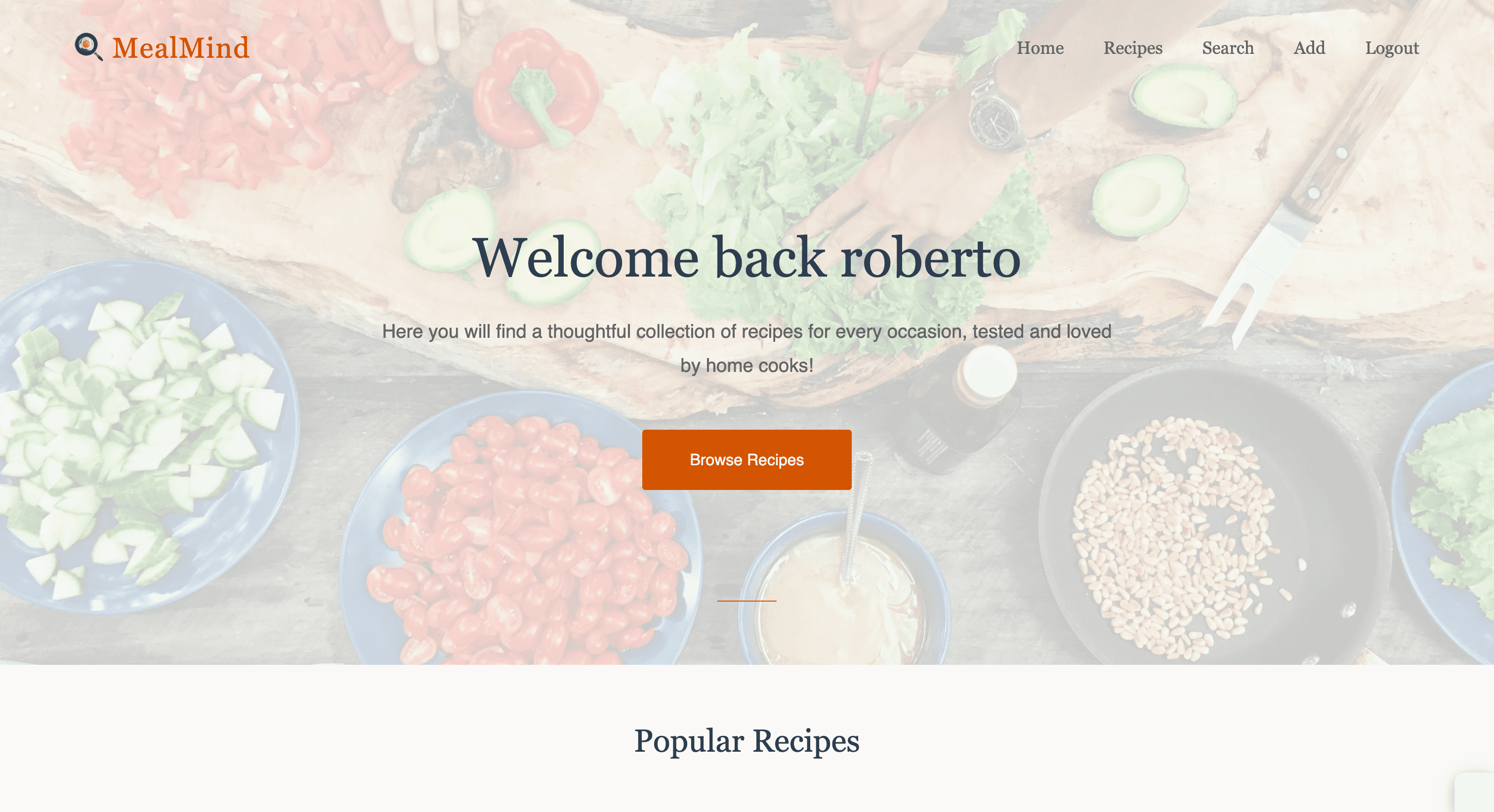
MealMind is a full-stack web application developed using the Django framework. The project was conceived as a platform where users can both discover and add recipes, transforming the app into a collaborative database of dishes from around the world.
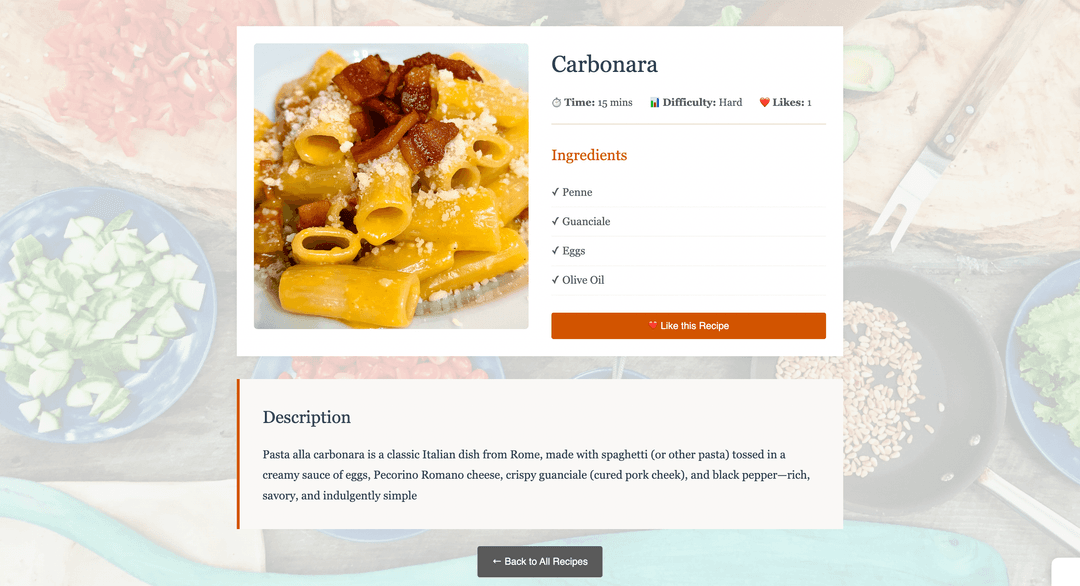
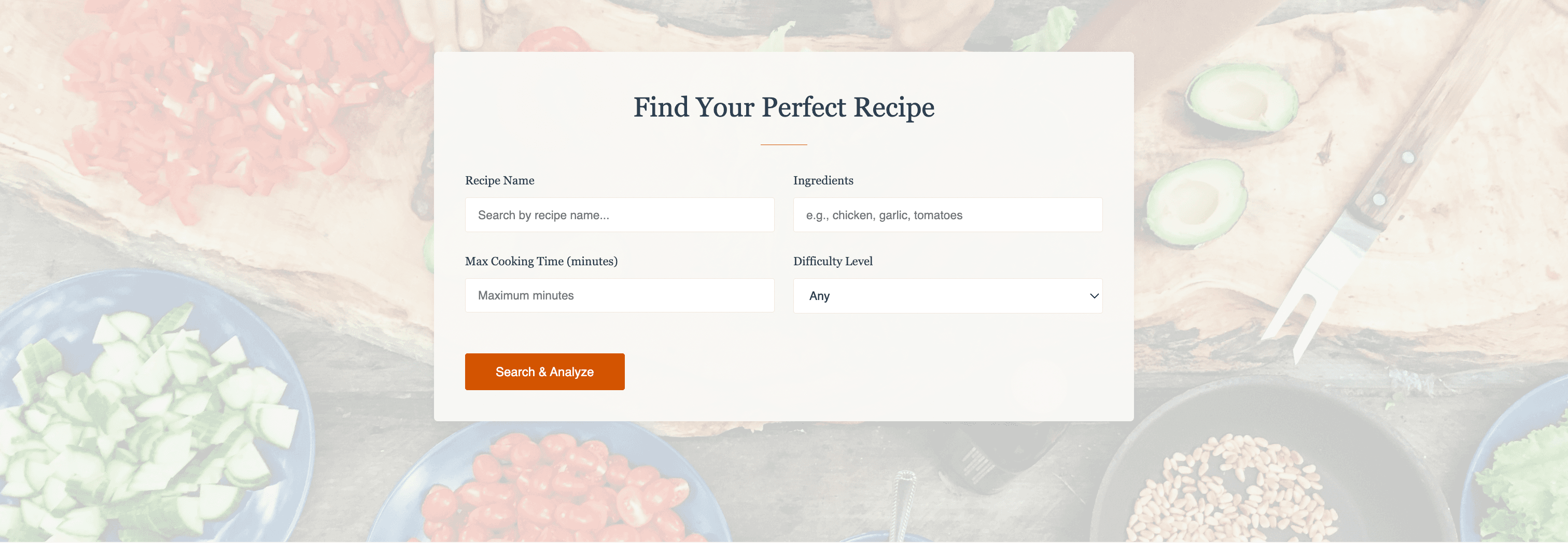
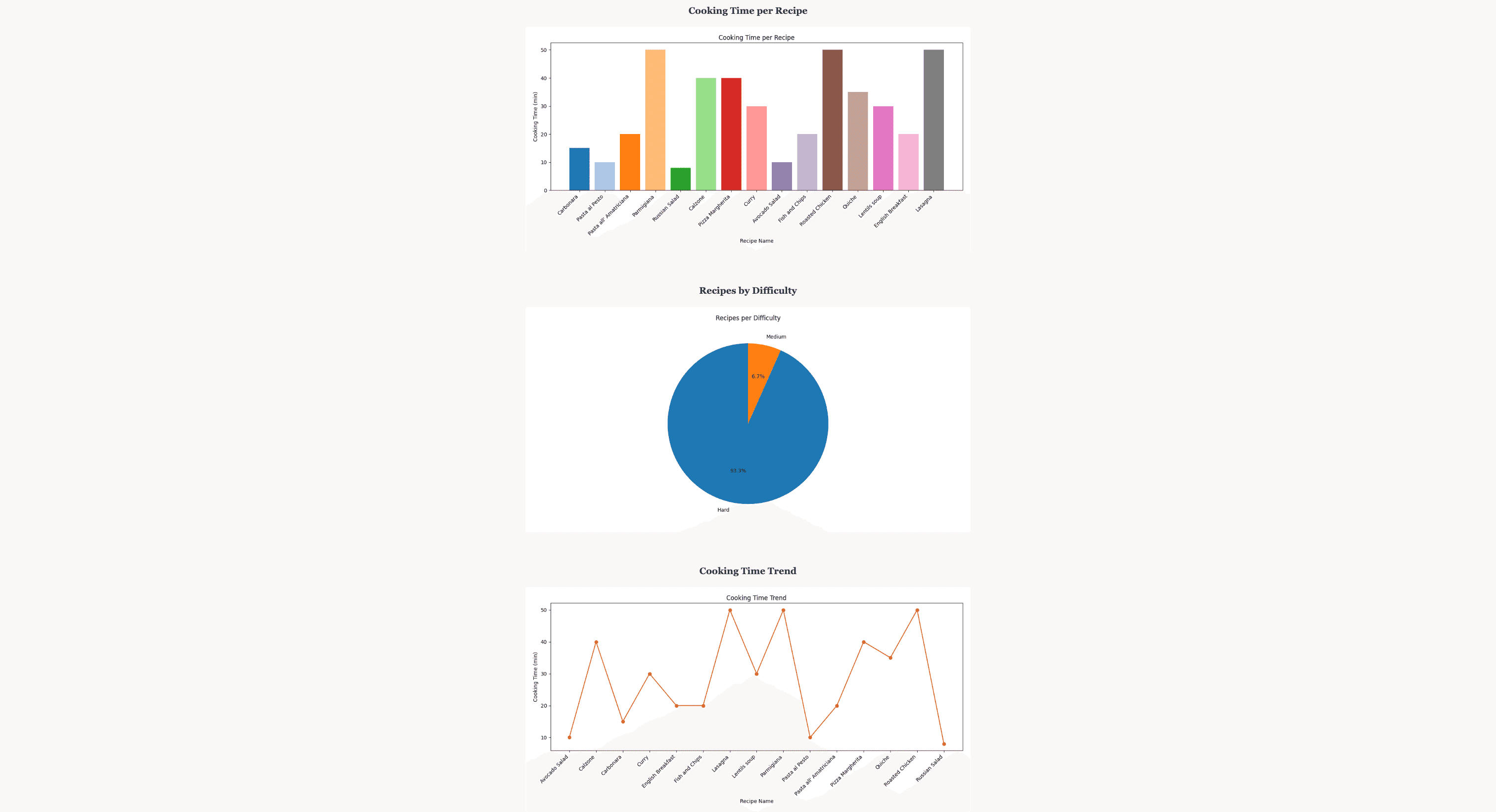
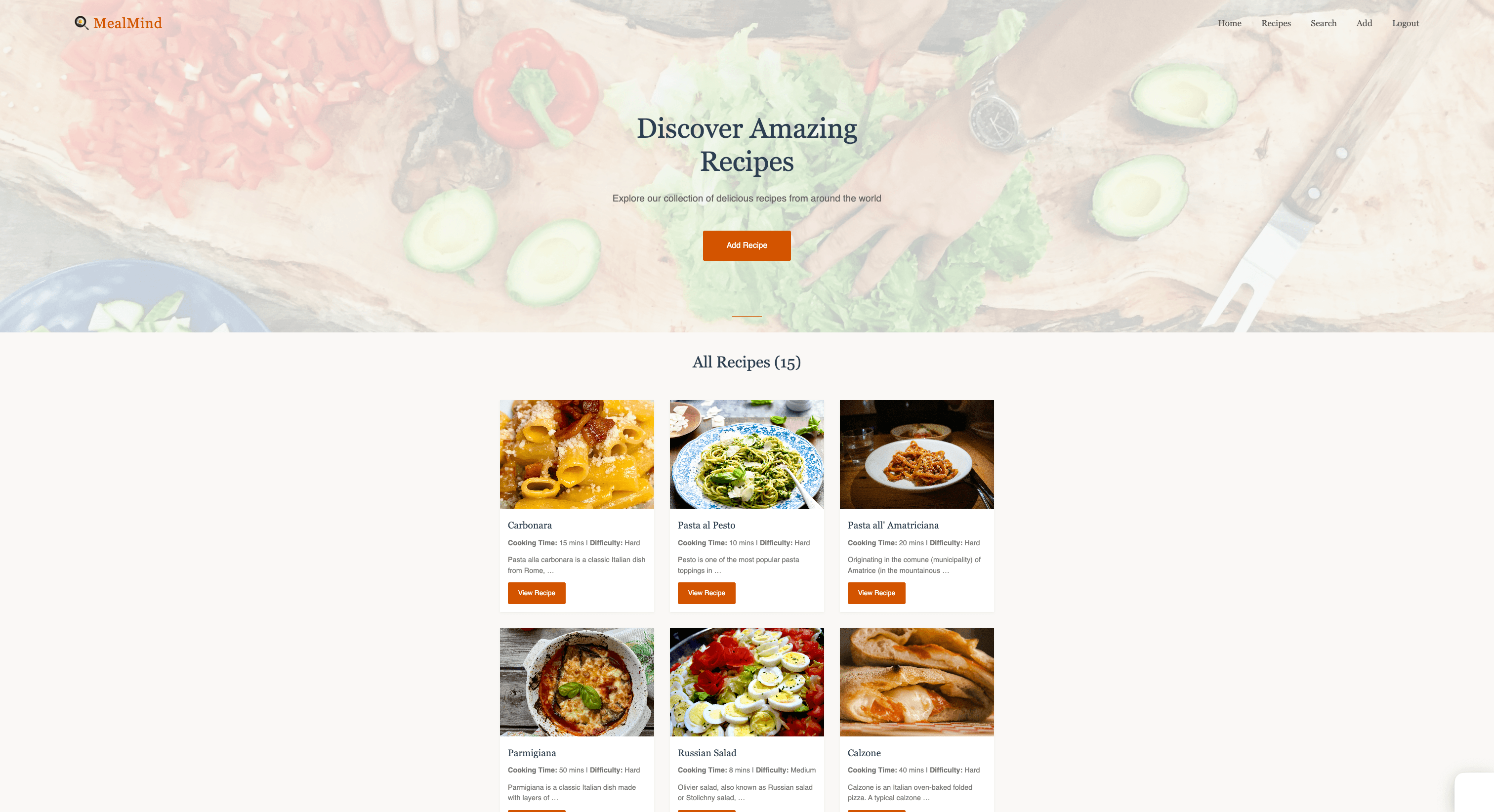
In addition to browsing recipes, users can create profiles and save their favorite dishes for easy access. The application features a well-structured recipe database, an intuitive and user-friendly interface, and a search system that enables users to filter recipes efficiently based on multiple criteria. The app also includes data visualizations that analyze trends across the recipe collection.
The Approach
The development of MealMind followed an agile approach. I began by defining user stories to identify user needs and translating them into small, manageable tasks. This structure allowed me to iterate consistently and maintain flexibility throughout the development process.
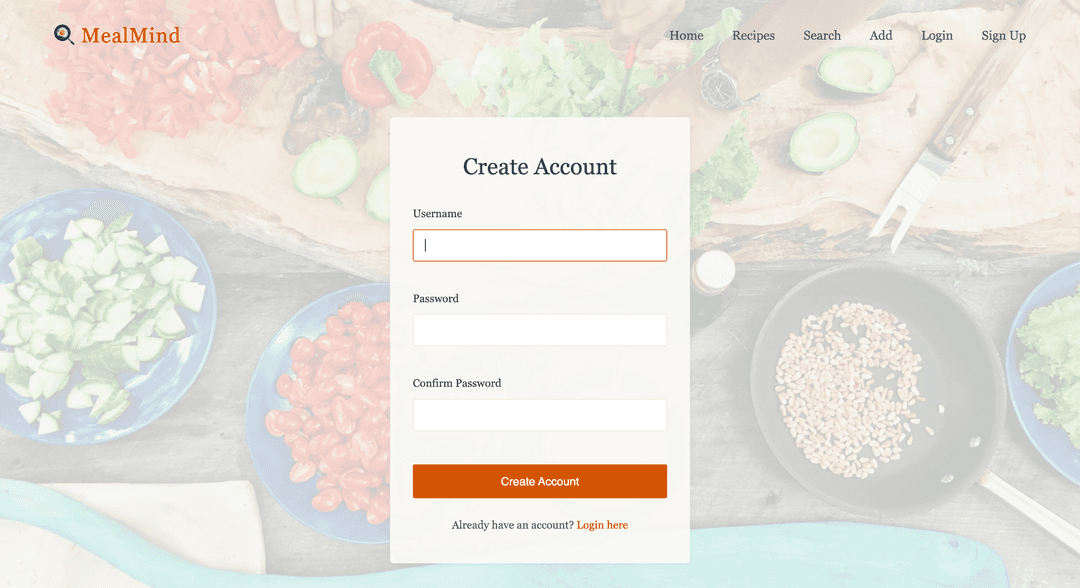
As a first step, I started by designing the data models for recipes and users, then implemented user authentication to handle registration, login, and user-specific interactions, leveraging Django’s built-in authentication forms. For adding and searching recipes, I used Django Forms and ModelForms, which ensured secure handling of user input, built-in validation, and a cleaner approach.
With the backend foundation in place, I moved on to implementing the main application views, including the homepage, recipe cards, and a popular recipes section, ensuring that data was retrieved and displayed efficiently.
Next, I developed a search dashboard that allows users to filter recipes based on multiple criteria. I also integrated data visualization features using Pandas and Matplotlib, enabling the application to display charts that highlight trends within the recipe dataset. Once the core functionality was complete, I focused on refining the design and overall user experience, improving layout consistency, accessibility, and interaction flow to ensure the application was intuitive and engaging.
The Challenges
One of the main challenges in developing MealMind was integrating data analysis and visualization features into the app. Using Pandas and Matplotlib required transforming Django querysets into suitable data structures for analysis, ensuring that the extracted data was accurate, efficient, and aligned with the visual insights I wanted to present.
Another challenge was designing the search dashboard. Implementing filtering across multiple criteria required to create querysets to ensure correct results while maintaining performance and readability. This process deepened my understanding of Django’s ORM, query optimization, and the importance of structuring data models to support various queries.
Through these challenges, I strengthened my ability to work with database querysets and with data visualization, building scalable, user-focused features based on structured queries.
Future Steps
Future improvements: I plan to enhance MealMind with additional features and refinements, including:
- Improving the UI/UX for a more visually appealing and fully responsive experience.
- Enhancing Recipe Cards to include detailed cooking steps and tips.
- Adding community features, such as comments, ratings, and recipe sharing.
- Integrating personalized recommendations based on user preferences and trends.